The Japanese cosmetics company Shiseido has developed two AI-powered systems—for biodegradability and safety—designed to modernise how cosmetic ingredients are evaluated for environmental impact and safety. The move signals a broader shift in beauty R&D: leveraging artificial intelligence not simply for product personalization, but for upstream formulation and regulatory compliance.
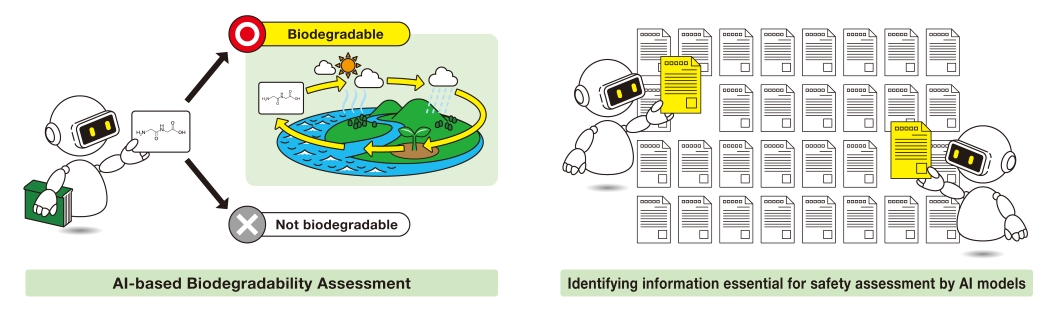
The first of the two innovations, AI-QSAR (Quantitative Structure-Activity Relationship), centers on biodegradability assessment. The model is said to predict whether an ingredient can break down into naturally occurring substances such as water and carbon dioxide by analysing its chemical structure.
Developed in collaboration with Japan’s National Institute of Technology and Evaluation under a Ministry of Economy, Trade and Industry (METI) chemical safety initiative, the model has been optimised specifically for cosmetic ingredients. Traditionally, biodegradability testing relies on internationally recognized laboratory methods that can take one to two months to generate results and require significant technical expertise. According to Shiseido, AI-QSAR allows processes to predict results faster than ever. This speed can potentially reshape formulation timelines and sustainability screening across the sector.
The initiative forms part of METI’s FY2022 commissioned project on chemical safety measures, supporting surveys that explore the introduction of a comprehensive assessment framework for degradability and bioaccumulation under Japan’s Act on the Regulation of Manufacture and Evaluation of Chemical Substances (the Chemical Substances Control Law). While the law governs the use of certain industrial chemicals, many cosmetic ingredients fall outside of this scope. To address this gap, Shiseido conducted new biodegradability tests on ingredients not subject to the Chemical Substances Control Law, generating empirical data to strengthen and validate the AI-QSAR model’s predictive capabilities.
The second development addresses another bottleneck in R&D: safety data review. Cosmetic safety assessment requires combing through vast volumes of internal reports, regulatory documents, and toxicological literature before laboratory and human testing stages even begin. Shiseido’s AI-driven identification system scans and scores documents based on their relevance to toxicity endpoints such as skin sensitization, genotoxicity, and repeated-dose toxicity. By automating information extraction, the system aims to reduce human bias, minimize oversight risk, and free specialists to focus on higher-level education.