Ecovia Intelligence will be participating at In-Cosmetics Global, hosted in Amsterdam on 8-10th April 2025.
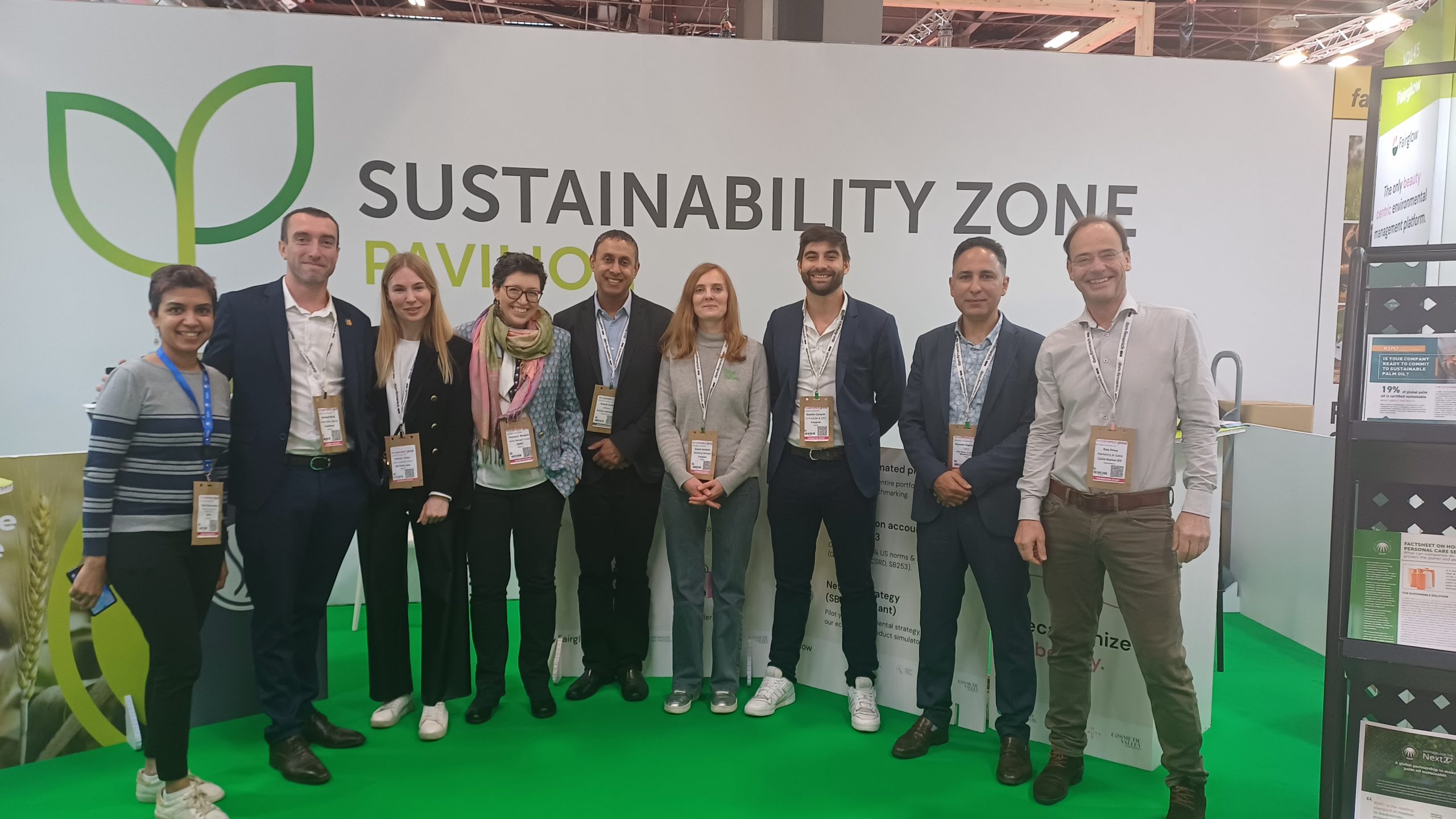
We are partner of the Sustainability Zone, sponsored by AAK, which comprises four key areas: the Forum, Display, Theatre and Pavilion.
The Sustainability Pavilion will be a hub for connecting with experts and suppliers in sustainable beauty practice. Covering consultancy, accreditation, packaging, distribution and life cycle analysis. Exhibitors like Ecovia Intelligence, Fairglow and Natrue will showcase solutions that enhance transparency and reduce environmental impact across the supply chain.
The Sustainability Zone Forum will feature a two-day program of expert-led discussions on green chemistry, regulatory compliance, life cycle analysis and ethical ingredient sourcing. The interactive Display area, sponsored by AAK, will spotlight product advancements in sustainable personal care. This space will feature display pods showcasing sustainable projects and initiatives, as well as responsibly sourced raw materials that deliver high performance and a reduced environmental impact.
According to Roziani Zulkifli, event director, In-Cosmetics Global, “Sustainability has been a core part of the beauty industry for a long time, and it’s essential to keep pushing for new solutions that benefit both consumers and the planet. Whether through innovative technologies, alternative solutions, or new ways of sourcing and creating ingredients, the Sustainability Zone offers an expansive hub for the personal care community to explore these new, creative ideas. It also helps ensure the industry is prepared for evolving regulations and policies while supporting companies in making the necessary changes to stay ahead.”
Ecovia Intelligence will be exhibiting. Come and meet us at stand 11C31.
In-Cosmetics Global will take place at RAI Amsterdam on 8-10th April 2025. Register for free on the website