The North American edition of the Sustainable Cosmetics Summit will focus on ethical sourcing & biodiversity, sustainability impacts, and green ingredients. Taking place in New York on 21–22 May, the summit will bring together leading organisations involved in sustainability in the beauty industry.
Biodiversity and ethical sourcing are key features of this North American edition. At the last UN Biodiversity Conference (COP16), a global framework was established to halt and reverse biodiversity loss, including a commitment to protect 30 percent of land and water by 2030. The summit will explore how the cosmetics industry can help halt and reverse biodiversity loss through ethical sourcing and nature-positive approaches.
In his opening keynote, author and educator Chris Kilham will speak about the growing importance of ethical sourcing of natural ingredients. Known as “The Medicine Hunter,” Chris has worked with indigenous communities to source medicinal plants from across the globe. Last year, he received the American Botanical Council Champion Award.
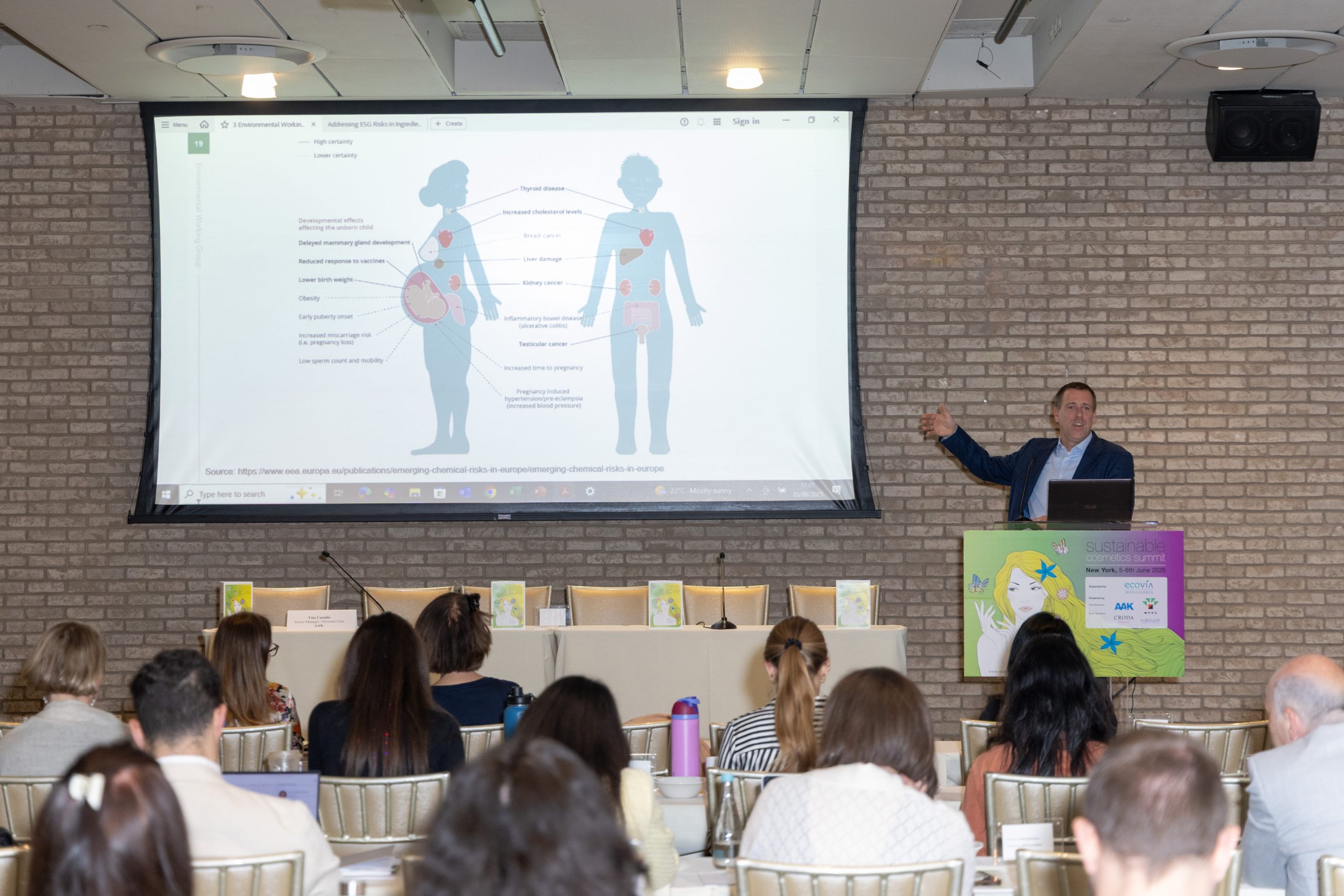
Ruth Calvo Rubial, Sustainability Director North America at the L’Occitane Group, will share the company’s experience in developing nature-positive cosmetics. As part of its biodiversity strategy, the company is sourcing its key ingredients through organic, fair trade, or regenerative practices. It also plans for its land footprint to support biodiversity preservation and regeneration, either directly or indirectly, by 2040.
Ecovia Intelligence believes certification will play an important role in verifying companies’ ethical sourcing and biodiversity claims. Christine Lippai from the Wildlife Friendly Enterprise Network will present details of its wildlife-friendly certification scheme. Lara Koritze will provide an update on the Union for Ethical BioTrade charter and explain how beauty companies can build supply chain resilience through biodiversity actions. Another speaker will cover biodiversity regulations, including the Convention on Biological Diversity (CBD), the Nagoya Protocol (Access and Benefit Sharing), and the Convention on International Trade in Endangered Species (CITES). A panel on the future of ethical sourcing will discuss the role of sustainability charters, standards, and eco-labels in the beauty industry.
The Sustainability Impacts session will highlight the various ways cosmetic companies are addressing their impacts. The EcoBeautyScore Association launched the first industry-wide environmental scoring system last year. Rebekah Lees will outline its science-based approach and present initial environmental impact ratings for cosmetic products. With most attention focused on environmental impacts, how can operators address social and economic impacts? Joan Birika from the United Nations Global Compact will speak about social sustainability. What does social sustainability mean in the beauty industry? What are best practices in human rights and labour policies, community engagement, and social diversity and inclusion?
A dedicated panel will examine the economic impacts of sustainability. Although often overlooked in sustainability discussions, sound economics are essential to the long-term viability of businesses. The panel will explore why the economic pillar is often ignored and discuss approaches to creating greater economic value. Panellists include Amarjit Sahota (Founder of Ecovia Intelligence), Kate Williams (CEO of 1% for the Planet), João Campos (Large Enterprise Growth Manager at B Lab), and Greg Starkman (CEO and Founder of Innersense Organic Beauty).
New and emerging green ingredients will also be presented at the summit. Thomas Cresswell from Melt & Marble will explain how the company is producing sustainable lipids using biotechnology. The Estonian start-up ÄIO will describe how it creates cosmetic ingredients using side streams from the food, agricultural, and wood industries. John Goedschalk, Founder and CEO of Biotara, will present its natural ingredients grown according to regenerative practices in Suriname. Other speakers will cover actives for neurocosmetics, green surfactants, and novel green chemicals.
Since COVID-19, raw material supply chains have been disrupted by geopolitical conflict, tariffs, and trade uncertainty. The Middle East conflict is now affecting the supply of petroleum feedstock. Jason Berryhill from Wholechain will discuss raw material supply chain volatility and how operators can mitigate associated risks. Another panel will examine the sustainable supply of raw materials. Which materials are currently most affected? How should companies adapt their purchasing patterns? What approaches are being used to mitigate the effects of tariffs and geopolitical conflict?
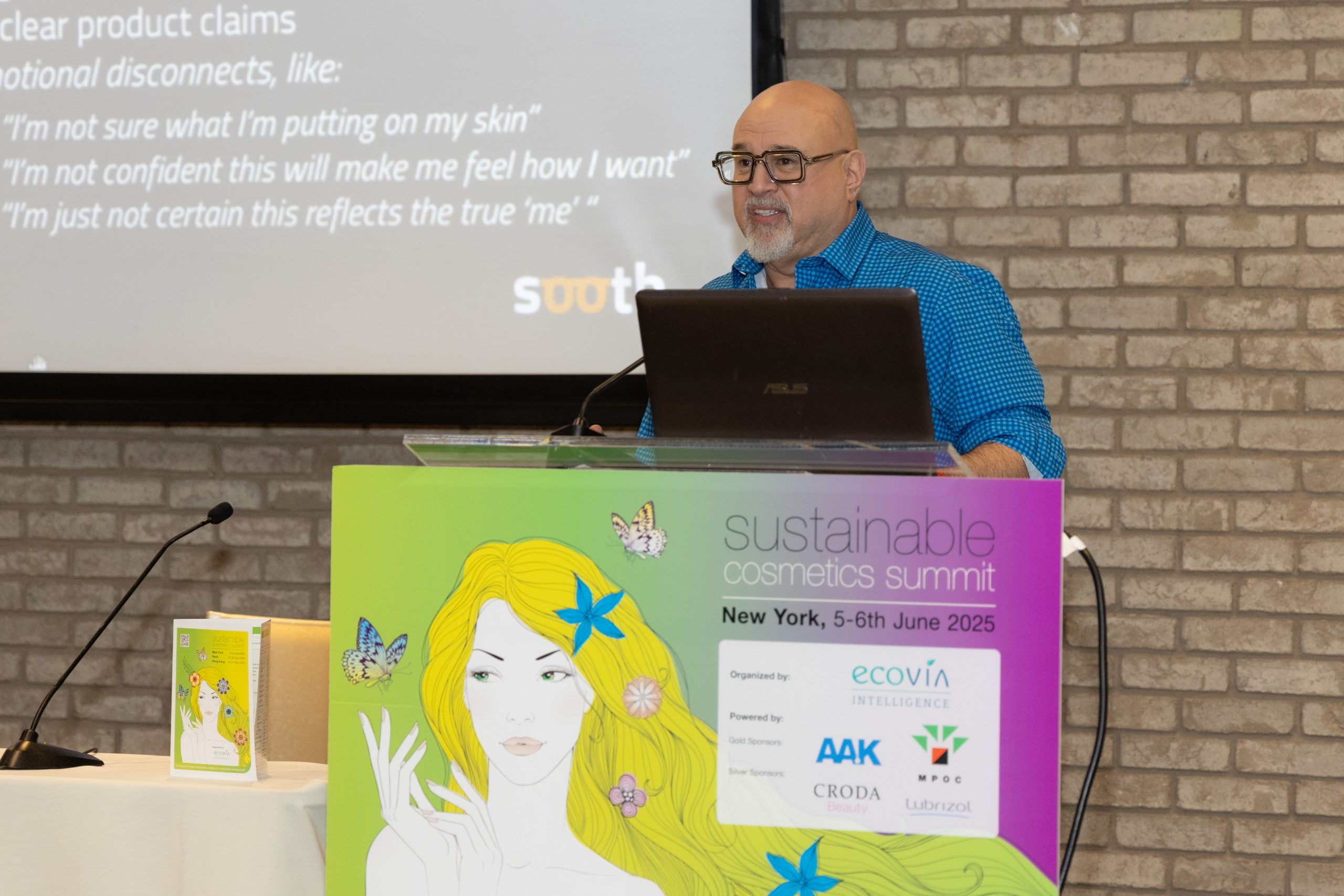
The 17th North American edition of the Sustainable Cosmetics Summit comprises four dedicated sessions across a two-day programme. Each year, the summit brings together around 130–140 professionals involved in sustainability in the beauty industry. This year’s edition aims to highlight sustainability best practices in addressing impacts, ethical sourcing, and green ingredients.
About the Sustainable Cosmetics Summit
Since 2009, the Sustainable Cosmetics Summit has been covering sustainability issues in the cosmetic & personal care industry. The North American edition will be hosted at the Dream Downtown by Hyatt New York on 21-22nd May 2026. More information is available from the website