Regenerative agriculture is gaining popularity, with an estimated 25 million acres now certified under third-party standards. Ecovia Intelligence expects adoption rates to continue rising in 2026; however, concerns remain regarding differing standards and consumer communications.
The amount of certified land for regenerative agriculture increased from less than 1 million acres to about 25 million acres between 2021 and 2025. Most third-party standards were first introduced in the United States, where adoption rates have been particularly strong.
The Regenerative Organic Certified (ROC) standard leads the industry, with 438 farms and over 67,000 smallholders managing almost 20 million acres worldwide. It also has 344 brand licensees, including ingredient suppliers, brands, and contract manufacturers. The ROC standard was developed in 2017, and certification began in 2020. Most adopters are in the US, particularly growers of corn, soybeans, nuts, fruits, and vegetables.
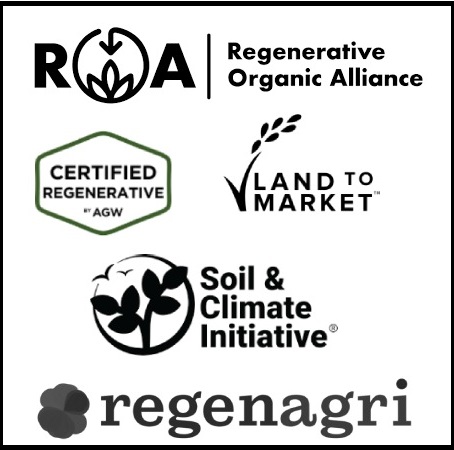
The Land to Market outcome-based verification program is the second most widely adopted. Launched in 2018 by the Savory Institute, it now certifies over 6 million acres. Its Ecological Outcome Verification (EOV) method scientifically measures and verifies land health improvement. The program has been widely adopted by livestock producers and, like ROC, includes over 100 brand members and a consumer-facing seal for certified products.
The Regenagri standard is the next most popular, adopted by 332,456 farms managing 4.37 million acres of certified farmland. Launched in the UK in 2020, it now has a global following. Cotton and coffee are the most common crops grown under this standard.
Several other third-party standards have emerged in recent years. Regenified, launched in 2022, is mostly adopted by American producers of corn, soybeans, and wheat, covering about 1 million acres. The Soil & Climate Initiative (SCI) works with over 115 farmers managing more than 350,000 acres of farmland. A Greener World (AGW) collaborates with about 100 businesses to adopt its Certified Regenerative standard, with the total certified land expected to reach 50,000 acres.
High interest in regenerative agriculture has also prompted some agri-food companies to establish their own in-house programs. Cargill is a frontrunner, launching its RegenConnect® program in the US in 2021. By last year, 2.5 million acres in North America were under the program, primarily corn, soybeans, wheat, and cotton. Cargill aims to reach 10 million acres under the program by 2030.
ADM’s regenerative agriculture program involves 28,000 farmers managing 5 million acres, 90% of which is in the USA. The company has partnered with PepsiCo to grow corn, wheat, and soybeans regeneratively, targeting 2 million acres by 2030.
As part of its “pep+ Positive Agriculture” strategy, PepsiCo has set a global goal of 10 million acres for regenerative, restorative, or protective practices. By 2024, it had reached 3.5 million acres. The company has partnered with several organizations to help achieve this goal. In Europe, it is working with Soil Capital to scale regenerative farming and with National Geographic to support regenerative agriculture practices.
Nestlé has set an ambitious target to source 50% of its key ingredients from regenerative agriculture farms by 2030, having reached 21% by 2024. About a third of its Nescafé green coffee is grown according to regenerative agriculture practices; the company is also sourcing milk and wheat under regenerative principles.
Unilever has invested in regenerative agriculture, aiming for 1 million hectares of agricultural land by 2030. It has launched 15 projects growing rice, rapeseed, vegetables, and other crops. General Mills targeted 1 million acres by 2030, partnering with the Rodale Institute and American Farmland Trust to promote regenerative practices for milk and grain production.
The ingredients company Tate & Lyle has also established regenerative agriculture projects in several countries. It recently launched a project for corn producers in France and works with corn producers covering 1.5 million acres in the USA, as well as stevia producers in China. Other companies with notable regenerative initiatives include McCain Foods, as well as retailers Walmart and Waitrose.
The proliferation of standards—both third-party schemes and in-house programs—could lead to industry fragmentation. Although there is broad agreement on the goal of adopting regenerative agriculture, interpretations vary on what it entails and how it should be defined. The absence of a widely accepted definition and standardization also makes it difficult to measure and compare outcomes.
Ecovia Intelligence also highlights consumer communication as a challenge. Distilling the complex elements of regenerative agriculture into simple messaging is difficult. Leading certification programs—ROC, Land to Market, and Regenagri—feature consumer-facing logos for certified products. Most agri-food companies communicate their regenerative initiatives through their own programs tied to specific brands or product groups. This fragmented messaging can make it hard for consumers to identify and distinguish certified products. As marketing intensifies, consumers may question why one standard or in-house program is more credible than another.
Sustainable Foods Summit
Regenerative agriculture will be a key topic at the upcoming Sustainable Foods Summit, taking place in San Francisco on 28-29 January 2026. Representatives from leading standards, including the Regenerative Organic Alliance, Land to Market, A Greener World, and the Soil & Climate Initiative, will provide updates on their verification programs.
Other organizations involved in promoting and adopting regenerative standards—such as the Rodale Institute, California Department of Food and Agriculture, Kiss the Ground, Applegate, Center for Regenerative Agriculture and Resilient Systems (CSU Chico), GoodSAM, and Alter Eco Foods—will share their experiences and insights. More details are on the website
Posted: January 14th 2026
For permission to publish our research insights, please contact our media department